

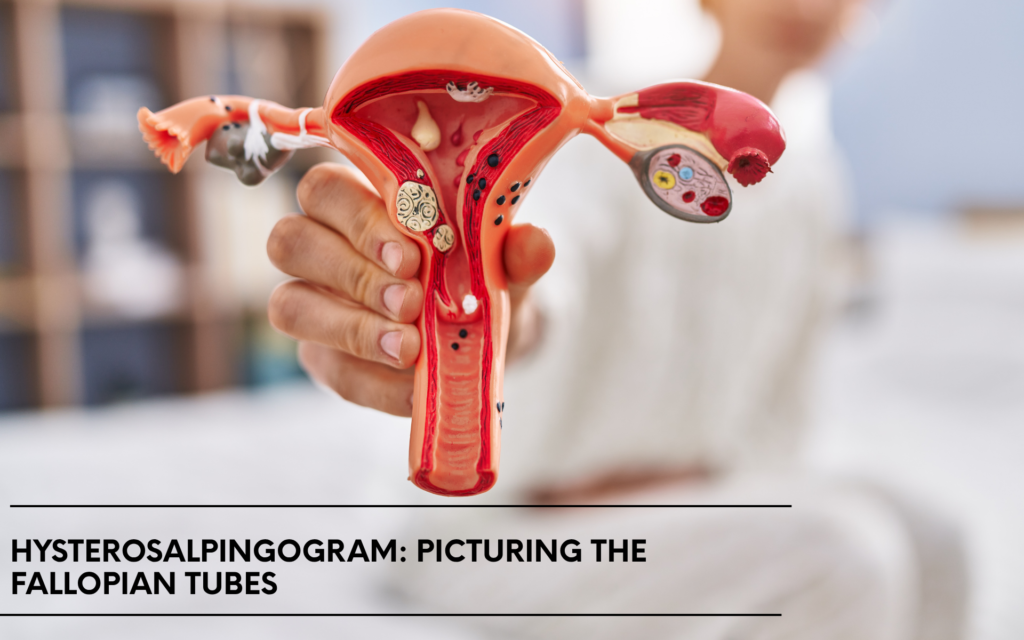
Hysterosalpingogram: Picturing the Fallopian Tubes
A hysterosalpingogram (HSG) is an X-ray exam that checks if your fallopian tubes are open and looks at the shape of your uterus. This test helps doctors figure out what might be causing fertility problems.
This guide is for women who’ve been trying to conceive and need answers about their reproductive health. If your doctor has recommended an HSG or you’re curious about what this procedure involves, you’ll find the information you need here.
We at Sirona Shanti Diagnostics will walk you through what an HSG can reveal about your fertility potential and any blockages or abnormalities that might be affecting your chances of getting pregnant. You’ll also learn how to prepare for the procedure both physically and mentally, plus what to expect during recovery. Finally, we’ll help you understand your results so you can make smart decisions about your next steps in fertility treatment.
Understanding What a Hysterosalpingogram Reveals About Your Fertility
How HSG Detects Blocked Fallopian Tubes
A hysterosalpingogram uses contrast dye and X-ray imaging to create a detailed map of your reproductive tract. When the radiologist injects contrast material through your cervix, it should flow freely through your uterus and out through both fallopian tubes. If one or both tubes are blocked, the dye stops at the point of obstruction, creating a clear visual on the X-ray.
The HSG test can pinpoint exactly where blockages occur:
- Proximal blockages: Near the uterus, often caused by debris or scarring
- Mid-tube obstructions: Usually from infections or endometriosis
- Distal blockages: At the tube’s end, commonly from pelvic inflammatory disease
When tubes are completely open, you’ll see the contrast spill freely into the abdominal cavity. Partial blockages appear as areas where dye flow slows or pools. The HSG procedure is particularly effective because it can sometimes actually clear minor blockages – the pressure from the contrast dye can push through small debris or mucus plugs.
Identifying Uterine Abnormalities That Affect Conception
Your uterine cavity needs the right shape and structure for successful implantation and pregnancy. The fertility test reveals several types of uterine problems that could be preventing conception.
Common uterine abnormalities detected include:
| Condition | What HSG Shows | Impact on Fertility |
|---|---|---|
| Uterine fibroids | Filling defects or distorted cavity | Can block implantation sites |
| Polyps | Smooth, round filling defects | May prevent embryo attachment |
| Septate uterus | Divided uterine cavity | Increases miscarriage risk |
| Bicornuate uterus | Heart-shaped cavity | Can cause pregnancy complications |
The contrast dye outlines the exact size, shape, and contours of your uterine cavity. A normal uterus appears triangular on the X-ray, with smooth walls and clear borders. When abnormalities are present, the shape changes dramatically – you might see indentations from fibroids, bumpy areas from polyps, or an unusual cavity shape from congenital malformations.
Discovering Structural Problems Preventing Pregnancy
Beyond tubes and uterus, the fertility evaluation through HSG can reveal other structural issues affecting your ability to conceive. Cervical problems become apparent when the contrast has difficulty entering the uterine cavity, suggesting cervical stenosis or scarring from previous procedures.
Adhesions inside the uterus, known as Asherman’s syndrome, create a web-like pattern on the X-ray as the contrast flows around scar tissue bands. These adhesions can form after D&C procedures, infections, or previous surgeries, creating barriers that prevent normal menstrual flow and embryo implantation.
The HSG results also show if your tubes have hydrosalpinx – a condition where blocked tubes fill with fluid, creating a balloon-like appearance on the X-ray. This fluid can be toxic to embryos and often requires surgical treatment before attempting pregnancy.
Pelvic adhesions from previous infections or surgeries may cause tubes to appear kinked or pulled into abnormal positions. While HSG can’t directly visualize these adhesions, it shows their effects on tube positioning and function, helping your doctor understand the full scope of structural problems affecting your fertility.
Preparing Your Body and Mind for the HSG Procedure
Optimal timing during your menstrual cycle
The timing of your HSG procedure is absolutely critical for accurate results and your safety. Schedule your hysterosalpingogram between days 7-10 of your menstrual cycle, counting the first day of your period as day one. This window ensures your uterine lining is thin enough for clear imaging while avoiding any chance of pregnancy.
Getting the timing right matters because a thick endometrial lining can obscure important details about your fallopian tubes and uterine cavity. Your doctor won’t perform the HSG test if there’s any possibility you could be pregnant, as the radiation exposure could harm a developing embryo. Many fertility clinics require a negative pregnancy test on the day of your procedure, even if you’re confident about your timing.
If your cycles are irregular, work closely with your healthcare team to predict the best window. They might recommend tracking ovulation or using additional monitoring to ensure optimal timing for your HSG procedure.
Essential medications to take before the test
Pain management before your HSG procedure can make a significant difference in your comfort level. Take 600-800mg of ibuprofen about 30-60 minutes before your appointment. This anti-inflammatory medication helps reduce cramping during and after the procedure when contrast dye flows through your fallopian tubes.
Some doctors prescribe antibiotics as a preventive measure, especially if you have a history of pelvic infections or blocked tubes. Don’t skip this medication if prescribed – it protects against potential infection from the procedure.
| Medication | Timing | Purpose |
|---|---|---|
| Ibuprofen | 30-60 minutes before | Reduces cramping and inflammation |
| Antibiotics | As prescribed (usually 1-2 days) | Prevents infection |
Avoid aspirin for several days before your HSG test, as it can increase bleeding risk. If you’re on blood thinners, discuss timing adjustments with your doctor well in advance.
Mental preparation strategies to reduce anxiety
Feeling nervous about your fertility test is completely normal. Knowledge is your best ally against anxiety – understanding exactly what happens during an HSG procedure helps remove the fear of the unknown. Watch educational videos or read detailed descriptions of the process so you know what to expect.
Practice breathing exercises in the days leading up to your appointment. Deep, slow breathing activates your body’s relaxation response and gives you a tool to use during the procedure. Try the 4-7-8 technique: inhale for 4 counts, hold for 7, exhale for 8.
Consider bringing a support person to your appointment if your clinic allows it. Having someone familiar nearby can provide emotional comfort and practical help, like driving you home afterward. Some women find it helpful to plan something pleasant for after the procedure – a favorite meal, movie, or relaxing activity.
Visualization techniques can also help. Picture yourself feeling calm and confident during the test, and imagine receiving helpful results that guide your fertility journey forward.
What to eat and avoid on procedure day
Start your procedure day with a light, easily digestible breakfast about 2-3 hours before your appointment. Avoid heavy, greasy, or spicy foods that might upset your stomach, especially since you might feel nauseous from pain medication or procedure-related discomfort.
Good pre-procedure foods include:
- Toast with a small amount of butter or jam
- Yogurt with mild fruits
- Oatmeal with banana
- Herbal tea or water
Skip caffeine if it makes you jittery – you want to stay as relaxed as possible. Avoid alcohol for at least 24 hours before your HSG test, as it can interact with pain medications and affect your body’s response to the procedure.
Stay well-hydrated by drinking plenty of water, but don’t overdo it right before your appointment since you’ll need to lie still during the procedure. Some women find that eating a small snack after taking their pre-procedure ibuprofen helps prevent stomach irritation.
Pack some crackers or light snacks to have afterward, as you might feel hungry once the procedure is complete and your appetite returns.
Step-by-Step Guide to What Happens During Your HSG
Positioning and Initial Examination Setup
Your medical team will guide you to an examination table equipped with X-ray equipment. You’ll lie flat on your back with your legs positioned in stirrups, similar to a routine gynecological exam. The radiologist or gynecologist will perform a brief pelvic examination to locate your cervix and assess the best approach for the HSG procedure. A speculum will be gently inserted to keep the vaginal walls open, allowing clear access to your cervix. The medical team will clean the cervical area with an antiseptic solution to minimize infection risk.
Once positioning is complete, a thin, flexible catheter or cannula will be carefully inserted through your cervix into your uterine cavity. This catheter serves as the pathway for contrast dye injection during the HSG test. Some practices use a balloon catheter that creates a gentle seal at the cervical opening to prevent dye leakage, while others prefer a cervical clamp for stabilization.
Contrast Dye Injection Process Explained
The contrast dye injection marks the most critical phase of the HSG procedure. Your doctor will slowly inject a special iodine-based contrast material through the catheter into your uterine cavity. This contrast dye appears bright white on X-ray images, allowing clear visualization of your reproductive anatomy. The injection happens gradually to minimize discomfort and ensure proper distribution throughout your uterus and fallopian tubes.
As the contrast dye fills your uterine cavity, it naturally flows toward your fallopian tubes. If your tubes are open and healthy, the dye will travel through them completely and spill into your pelvic cavity. This spillage confirms that your fallopian tubes are patent (open) and functioning properly for fertility purposes. The amount of contrast dye used varies but typically ranges from 10-20 milliliters total.
You might feel cramping or pressure during injection, similar to menstrual cramps. This sensation occurs as the contrast dye stretches your uterine walls and moves through your fallopian tubes. The cramping usually subsides quickly once the injection is complete.
Real-time X-ray Imaging and Monitoring
Throughout the HSG test, fluoroscopy provides real-time X-ray imaging that allows your medical team to monitor contrast dye movement instantly. Multiple X-ray images are captured at different stages of the procedure to document your uterine shape, fallopian tube structure, and dye spillage patterns. The radiologist watches the fluoroscopy screen continuously, tracking how the contrast material flows through your reproductive system.
Initial images show the contrast dye filling your uterine cavity, revealing its size, shape, and any structural abnormalities. Subsequent images capture the dye moving through your fallopian tubes, highlighting any blockages or irregularities. Final images document spillage into your pelvic cavity, confirming tubal patency.
Your doctor may ask you to change positions slightly during imaging to obtain different views of your anatomy. These position changes help capture comprehensive images that provide complete information about your fertility status. The real-time nature of fluoroscopy means your medical team can immediately identify any issues and adjust the procedure accordingly.
Duration and Comfort Measures During the Procedure
The entire HSG procedure typically takes 15-30 minutes from start to finish. The actual contrast dye injection and imaging portion usually lasts only 5-10 minutes, while positioning and setup require additional time. Your comfort remains a priority throughout the process, and medical staff employ various measures to minimize discomfort.
Many facilities offer pain management options before the procedure begins. Taking ibuprofen or another over-the-counter pain reliever 30-60 minutes before your HSG test can help reduce cramping. Some doctors provide local anesthetic at the cervix to minimize insertion discomfort.
Breathing exercises and relaxation techniques can significantly improve your comfort level. Deep, slow breathing helps manage cramping sensations and reduces anxiety. Your medical team will encourage you to communicate any discomfort levels so they can adjust their approach as needed.
The examination table may include warming features or blankets to help you stay comfortable during positioning. Some facilities play calming music or provide other amenities to create a more relaxed environment for the HSG procedure.
Communication with Your Medical Team Throughout
Open communication with your medical team enhances both safety and comfort during your hysterosalpingogram. Your doctor will explain each step before it happens, keeping you informed about what to expect. Feel free to ask questions about any aspect of the procedure or express concerns about pain levels.
Your medical team will regularly check in with you about comfort levels, especially during contrast dye injection when cramping is most likely. They can adjust injection speed or pause the procedure if you need a moment to manage discomfort. Many patients find that knowing what’s happening reduces anxiety significantly.
The radiologist will often describe what they’re seeing on the fluoroscopy screen in real-time. This commentary helps you understand how your HSG test is progressing and whether preliminary results look normal. Some doctors can provide immediate preliminary findings, though official HSG results typically require formal interpretation.
Don’t hesitate to speak up if you experience severe pain, dizziness, or any unusual symptoms during the fertility test. Your medical team prioritizes your safety and can modify their approach based on your feedback throughout the entire HSG procedure.
Interpreting Your HSG Results for Better Treatment Decisions
Normal findings and what they mean for fertility
When your HSG results show normal findings, you’ll see a clear and symmetrical uterine cavity with no irregularities in shape or size. The contrast dye flows smoothly through both fallopian tubes and spills freely into the pelvic cavity, confirming that your tubes are open and functioning properly. This spillage pattern appears on X-ray images as a delicate, cloud-like distribution of contrast material around the ovaries.
Normal HSG results are encouraging for your fertility journey. Open fallopian tubes mean that eggs can travel from your ovaries to meet sperm, and a properly shaped uterus provides an ideal environment for embryo implantation. Many women with normal HSG findings experience improved pregnancy rates in the months following the procedure, possibly due to the flushing effect of the contrast dye clearing minor debris from the tubes.
Your fertility specialist will use these normal results to focus on other potential causes if you’re still having trouble conceiving, such as ovulation disorders, sperm quality issues, or unexplained fertility factors.
Common abnormalities detected and their implications
HSG testing can reveal several types of abnormalities that may impact your fertility. Fallopian tube blockage is one of the most significant findings, appearing when contrast dye stops flowing at a specific point in the tube or fails to spill into the pelvic cavity. Complete blockages prevent fertilization entirely, while partial blockages may increase the risk of ectopic pregnancy.
Uterine abnormalities show up as irregularities in the cavity’s shape or size. Common findings include:
- Uterine fibroids: Appear as filling defects or distortions in the cavity outline
- Polyps: Show as smooth, rounded projections into the uterine space
- Septum: Creates a partition dividing the uterine cavity
- Adhesions: Cause irregular, angular defects from scar tissue
Hydrosalpinx, a condition where fallopian tubes are blocked and filled with fluid, appears as dilated, sausage-shaped structures on HSG images. This condition often requires surgical intervention before fertility treatments, as the fluid can be toxic to developing embryos.
Each abnormality carries different implications for your treatment options and success rates with various fertility interventions.
When additional testing may be recommended
Your HSG results might prompt your fertility specialist to recommend further testing depending on what the images reveal. If tube blockages are detected, your doctor may suggest laparoscopy to get a more detailed view and potentially treat the problem surgically. This minimally invasive procedure allows direct visualization of your reproductive organs and can address adhesions or endometriosis that HSG cannot detect.
Uterine abnormalities often require additional imaging studies. Sono hysterography uses ultrasound with saline injection to provide clearer pictures of the uterine lining and can better distinguish between fibroids, polyps, and other structural issues. MRI might be recommended for complex cases where detailed tissue characterization is needed.
When HSG shows unclear or questionable results, your doctor might repeat the test or use alternative imaging methods. Sometimes technical factors like cervical spasm or patient movement can create artifacts that mimic pathology. In cases where contrast doesn’t flow properly due to tubal spasm rather than actual blockage, your specialist might prescribe muscle relaxants and repeat the HSG procedure.
Hormonal testing, ovulation monitoring, and male factor evaluation often complement HSG findings to create a complete fertility assessment picture, helping your medical team develop the most effective treatment strategy for your specific situation.
Managing Post-Procedure Recovery and Side Effects
Expected cramping and bleeding patterns
After your hysterosalpingogram procedure, your body will need time to recover from having contrast dye pushed through your fallopian tubes and uterus. Most women experience mild to moderate cramping that feels similar to menstrual cramps, typically lasting anywhere from a few hours to two days after the HSG test.
Light spotting or bleeding is completely normal and usually continues for 1-3 days following the procedure. The bleeding might appear brownish or mixed with the contrast material, which can create an unusual color – don’t panic if you notice this. Your next menstrual period might arrive slightly earlier or later than expected, and the flow could be lighter or heavier than usual.
Some women report feeling pressure or fullness in their pelvic area for up to 24 hours after the fertility test. This sensation occurs because your reproductive organs are still adjusting after being filled with the contrast dye during the HSG procedure.
Warning signs that require immediate medical attention
While HSG recovery typically goes smoothly, certain symptoms demand immediate medical care. Contact your healthcare provider right away if you experience severe, worsening pain that doesn’t respond to over-the-counter pain medications. This could signal complications like infection or injury to the reproductive organs.
Heavy bleeding that soaks through a pad every hour for more than two consecutive hours requires urgent attention. Watch for signs of infection including fever above 100.4°F (38°C), chills, foul-smelling vaginal discharge, or increasing pelvic pain accompanied by nausea and vomiting.
Other red flags include:
- Sudden, sharp abdominal pain that feels different from normal cramping
- Difficulty urinating or burning sensation when urinating
- Dizziness or fainting spells
- Unusual vaginal discharge with a strong odor
- Persistent vomiting that prevents you from keeping fluids down
Don’t hesitate to call your doctor’s office or visit the emergency room if any of these hysterosalpingogram side effects occur. Early intervention prevents minor issues from becoming serious complications.
Activity restrictions and return to normal routine
Your recovery timeline depends on how your body responds to the HSG test, but most women can resume normal activities within 24-48 hours. Avoid heavy lifting, intense exercise, or strenuous activities for at least 24 hours after the procedure to give your body time to heal.
Sexual activity should be avoided for 24-48 hours or until any bleeding stops completely. This reduces the risk of introducing bacteria into your reproductive system while your cervix might still be slightly dilated from the procedure.
You can typically return to work the same day or the day after your fertility evaluation, depending on your job requirements. If your work involves heavy physical labor, consider taking an extra day off or requesting light duties.
Swimming in pools, hot tubs, or baths should be avoided for 24 hours to prevent infection. Showers are perfectly fine and often help with cramping relief. Most women find they can drive themselves home after the procedure, though having someone accompany you is always a good idea.
Pain management strategies that actually work
Over-the-counter pain relievers work best when taken before the cramping becomes severe. Ibuprofen (like Advil or Motrin) is particularly effective because it reduces both pain and inflammation. Take 400-600mg every 6-8 hours as needed, but don’t exceed the recommended daily dose.
Heat therapy provides significant relief for many women. Use a heating pad on low to medium heat, a warm water bottle, or take a warm shower to relax cramped muscles. Apply heat for 15-20 minutes at a time to avoid skin irritation.
Gentle movement often helps more than lying still. Light walking around your home or doing gentle stretches can prevent muscles from tightening up. Some women find that the child’s pose from yoga provides excellent relief for lower back and pelvic discomfort.
Creating a comfortable recovery environment makes a real difference. Prepare a cozy spot with extra pillows, loose comfortable clothing, and easy access to water and snacks. Stay well-hydrated, as dehydration can worsen cramping.
If cramping is particularly bothersome, try combining acetaminophen with ibuprofen (following package directions for both). This combination approach often provides better pain control than either medication alone. Remember that severe pain isn’t normal – contact your healthcare provider if standard pain management techniques aren’t helping with your HSG recovery.
A hysterosalpingogram gives you valuable insights into your fertility by checking if your fallopian tubes are open and examining your uterine cavity. Getting ready for the procedure both physically and mentally helps you feel more confident, while knowing what to expect during each step makes the experience less stressful. The real power comes from understanding your results and working with your doctor to create the best treatment plan for your specific situation.
Don’t let fear or uncertainty hold you back from getting the answers you need about your fertility. Talk to your healthcare provider about whether an HSG is right for you, and remember that this procedure is just one piece of your fertility puzzle. Take care of yourself during recovery, follow your doctor’s advice, and use these results as a stepping stone toward making the best decisions for your reproductive health journey.
Dr. Riya Kothari Jain
Consultant Radiologist
───────
Go to Our Website and Get in Touch
Don’t ignore what your body is trying to tell you. A simple thyroid test can help you feel like yourself again, whether you’ve gained or lost weight for no reason or are always tired. To find out more about our full range of health services and packages.
Go to our website at https://sironashanti.com
OR
Call +91 98191 88333 or WhatsApp +91 86554 08047.
───────
Blog Keywords:
Hysterosalpingogram, HSG test, fallopian tube blockage, fertility evaluation, uterine abnormalities, HSG procedure, Sironashanti Diagnostics, fertility test, tubal patency test, blocked fallopian tubes, HSG contrast dye, uterine fibroids HSG, hydrosalpinx diagnosis, Asherman’s syndrome, HSG pain management, HSG recovery, female infertility testing.
Common Keywords:
Best NABL accredited pathology lab in Mumbai, Best pathology lab in Mahim Dadar Prabhadevi Worli, Best radiology centre center in mumbai, Best sonography center in mumbai, Best Radiologist / Sonologist in Mahim Worli Dadar Prabhadevi, Best Cardiologist in Mumbai, best cardiology centre, centre in Mahim Dadar Prabhadevi, ecg at home, xray at home, blood collection at home, blood collection in mumbai, bloold collection south mumbai, verified best diagnostics centers, sironashanti diagnostics center
Common Extra Keywords:
diagnostic centre Mumbai, best diagnostic centre Mumbai, pathology lab Mumbai, best pathology lab Mumbai, NABL accredited lab Mumbai, diagnostic centre near me Mumbai, trusted diagnostic centre Mumbai, Sirona Shanti Diagnostics, affordable diagnostic centre Mumbai, diagnostic centre open Sunday Mumbai, diagnostic centre Prabhadevi, pathology lab Prabhadevi, blood test Prabhadevi Mumbai, diagnostic centre Mahim, pathology lab Mahim, blood test Mahim Mumbai, diagnostic centre Dadar, pathology lab Dadar West, blood test Dadar Mumbai, diagnostic centre Bandra, pathology lab Bandra West, blood test Bandra Mumbai, diagnostic centre Lower Parel, health checkup Lower Parel Mumbai, diagnostic centre Worli, blood test Worli Mumbai, home blood collection Mumbai, home blood test Colaba, home sample collection South Mumbai, home blood collection Andheri, home blood test Juhu, home blood collection Santacruz, home blood test Vile Parle, home blood collection Khar Mumbai, at home blood test Mumbai, blood sample collection at home Mumbai, full body checkup Mumbai, full body health package Mumbai, full body blood test Mumbai, complete blood count Mumbai, CBC test Mumbai, thyroid test Mumbai, thyroid profile Mumbai, TSH test Mumbai, diabetes test Mumbai, HbA1c test Mumbai, blood sugar test Mumbai, lipid profile test Mumbai, cholesterol test Mumbai, liver function test Mumbai, kidney function test Mumbai, urine test Mumbai, Vitamin D test Mumbai, Vitamin B12 test Mumbai, dengue test Mumbai, malaria test Mumbai, typhoid test Mumbai, ECG test Mumbai, ECG near me Mumbai, 2D echo test Mumbai, echocardiogram Mumbai, stress test Mumbai, TMT test Mumbai, heart checkup Mumbai, cardiac test Mumbai, digital X-ray Mumbai, X-ray centre Mumbai, X-ray near me Mumbai, sonography Mumbai, ultrasound test Mumbai, USG scan Mumbai, mammography Mumbai, breast screening Mumbai, home ECG Mumbai, home X-ray Mumbai, blood test near me Mumbai, lab test near me Mumbai, pathology lab near me, diagnostic centre near me, full body checkup near me Mumbai, health checkup near me Mumbai, best lab near me Mumbai, blood collection near me Mumbai, ECG near me, sonography near me Mumbai, health checkup packages Mumbai, annual health checkup Mumbai, preventive health checkup Mumbai, women health checkup Mumbai, senior citizen health checkup Mumbai, PCOD test Mumbai, hormonal test Mumbai, fertility test Mumbai, thyroid specialist Mumbai, endocrinology clinic Mumbai, gynaecology consultation Mumbai, cardiology consultation Mumbai, how much does full body checkup cost in Mumbai, best full body checkup package Mumbai affordable, same day blood test report Mumbai, online report delivery diagnostic Mumbai, blood test report on WhatsApp Mumbai, NABL lab near me Mumbai, ISO certified pathology lab Mumbai, accurate blood test Mumbai, trusted blood test results Mumbai, walk-in diagnostic centre Mumbai.